
BDIPS & START Harbor Regional Work Together to Bridge Gaps in Mental Health Care
During the 2024-25 fiscal year, more than 540,000 individuals, from ages zero to 22 and older, received developmental disability services across California regional centers, according to the California Department of Developmental Services. These services support individuals with intellectual and developmental disabilities (IDD) such as intellectual disability, autism, cerebral palsy, epilepsy, among other related conditions.
Through California’s early intervention system, START (Systemic, Therapeutic, Assessment, Resources, & Treatment), Harbor Regional Center works in partnership with YAI, an organization that operates several regional START programs across the state, to address the needs of children and youth with IDD.
Better Days Integrated Programs (BDIPS) serves a diverse range of clients and has developed unique approaches to supporting those with IDD such as the launch of Developmental Inclusion Programs (DIPS), which sets out to re-imagine what wellness can look like.
One unique draw of BDIPS is their unorthodox approach to addressing mental health through therapeutic boxing and adaptive fitness.
The idea of introducing clients to therapeutic boxing, a holistic approach that integrates exercise with therapeutic techniques such as mindfulness and cognitive-behavioral strategies, was interesting to Michelle Nguyen, Program Director at YAI.
“People we support have IDD with a co-occurring mental health concern, so our approach is strength-based, and the holistic part is what our ideals are surrounded [by], and a lot of our people don't want to start off with therapy right away,” Nguyen explained.
When Nguyen learned about how BDIPS practices nontraditional therapy methods from Vivian Phan, Community Engagement & Diversity and Inclusion Program Manager at BDIPS, a collaboration between the two organizations was set in motion.
Since connecting in 2024, BDIPS and START Harbor have worked together to ensure clients have access to BDIPS therapies and resources, and have launched training modules hosted by one another.
Nguyen shared that they often refer clients to BDIPS and invite BDIPS staff members who are working with shared mutual participants to START Harbor system meetings. Nguyen and her team have even come out to tour the BDIPS site at Northpointe Apartments, along with Harbor coordinators and their families.
“I think oftentimes in this field, there’s a lot of separate entities, separate modalities, separate mindsets, separate approaches, and it's not about right or wrong. I think it's also about what the need is, what the demographic is, and then how we can merge,” said Dr. Janoc Vance, Clinical Director of California START Harbor.
“I think it should be an interwoven process, and with BDIPS, that's been part of the success of being able to provide these trainings, and [BDIPS] wanting to collaborate with us, or allowing us the space to share our knowledge and exchange information,” Dr. Vance continued.
Dr. Vance has led some training modules with the BDIPS team as part of the START Harbor training series, which focuses on adaptive strategies, social skills interventions for Autism Spectrum Disorder (ASD), and IDD versus ASD.
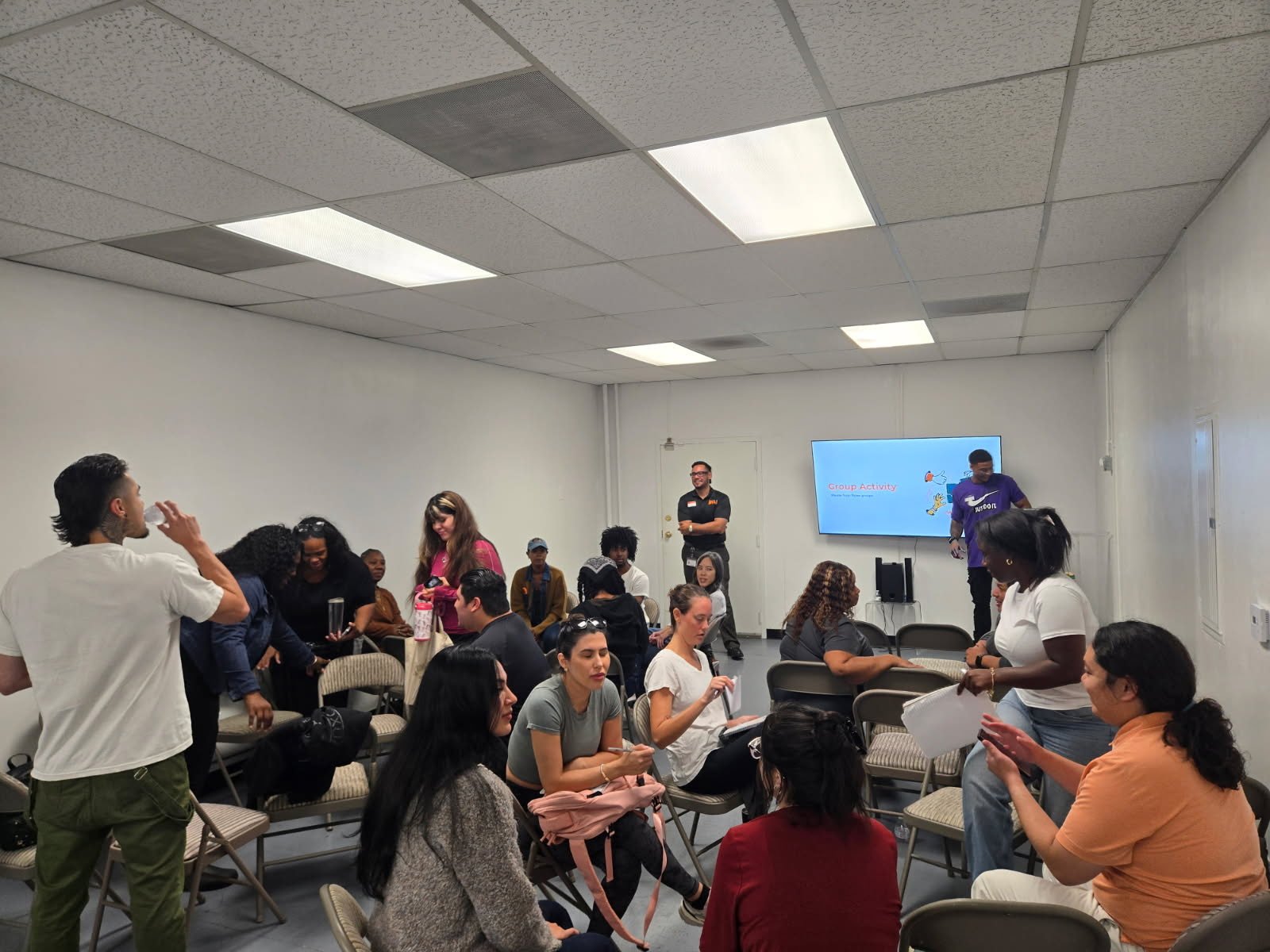
“I have attended about eight START Harbor trainings, both tailored training for BDIPS and also Harbor START CET training for the community. These training sessions have expanded my lens beyond my clinical background,” Phan said. “I have learned to see presentations in individuals rather than symptoms and behaviors in clients. This new worldview has allowed me to lean deeper into my clinical creativity, curiosity, and respect for human capacity.”
Jenean Thomas, Enrichment Services Program Manager at BDIPS, also attended the trainings led by START Harbor, and found them to be informational, especially on IDD, which she said isn’t covered as much in other trainings she’s attended.
As a program manager, Thomas and her team work with children who are on the autism spectrum and some who have intellectual developmental disabilities. She shared that the training sessions help refresh her mind on the two topics, and also equips her team with the necessary information to be better employees for the kids they work with.
Not only was Thomas on the receiving end of START Harbor training sessions, but she also led a training on self-care alongside Pa'Cjon Smith, a licensed clinical social worker and clinical supervisor with BDIPS.
“I think what we presented to the START team resonated a lot. And it was just really nice to return the favor. They spent time training us and our team, and giving us really valuable tools and advice,” Thomas said.
For the START Harbor team, the training on self-care was a reminder to assess stress levels, explore different ways to relieve stress, and learn about the psychological science behind stress.
“It was a reminder to take care of ourselves and to value ourselves as professionals and mental health professionals in this space. Definitely took away some things that I'm interested in learning more about, like Tai chi,” Dr. Vance said. “We got to actually get some exercises demonstrated for us that we got to participate in. I think that type of involvement makes us more connected. I think connection is very important in this work.”
As BDIPS continues to grow and expand services, the team at START Harbor are interested in continuing to share resources and connect clients to different services that BDIPS has such as the virtual grief support group hosted weekly.
“Learning more about the full scope of services that BDIPS provides in terms of therapy, family therapy, being able to to come in or refer for that type of support, I think is super essential to the work that we're doing,” Dr. Vance said. “So, I'm looking forward to really building that and bridging part of that gap because one of the barriers that I run into in the clinical area is specifically with this demographic.”
According to Dr. Vance, some programs provide certain evidence-based modalities that are helpful, but they are not necessarily niche-focused for IDD or lack expertise regarding IDD populations. For Dr. Vance, it’s helpful to know that BDIPS have both.
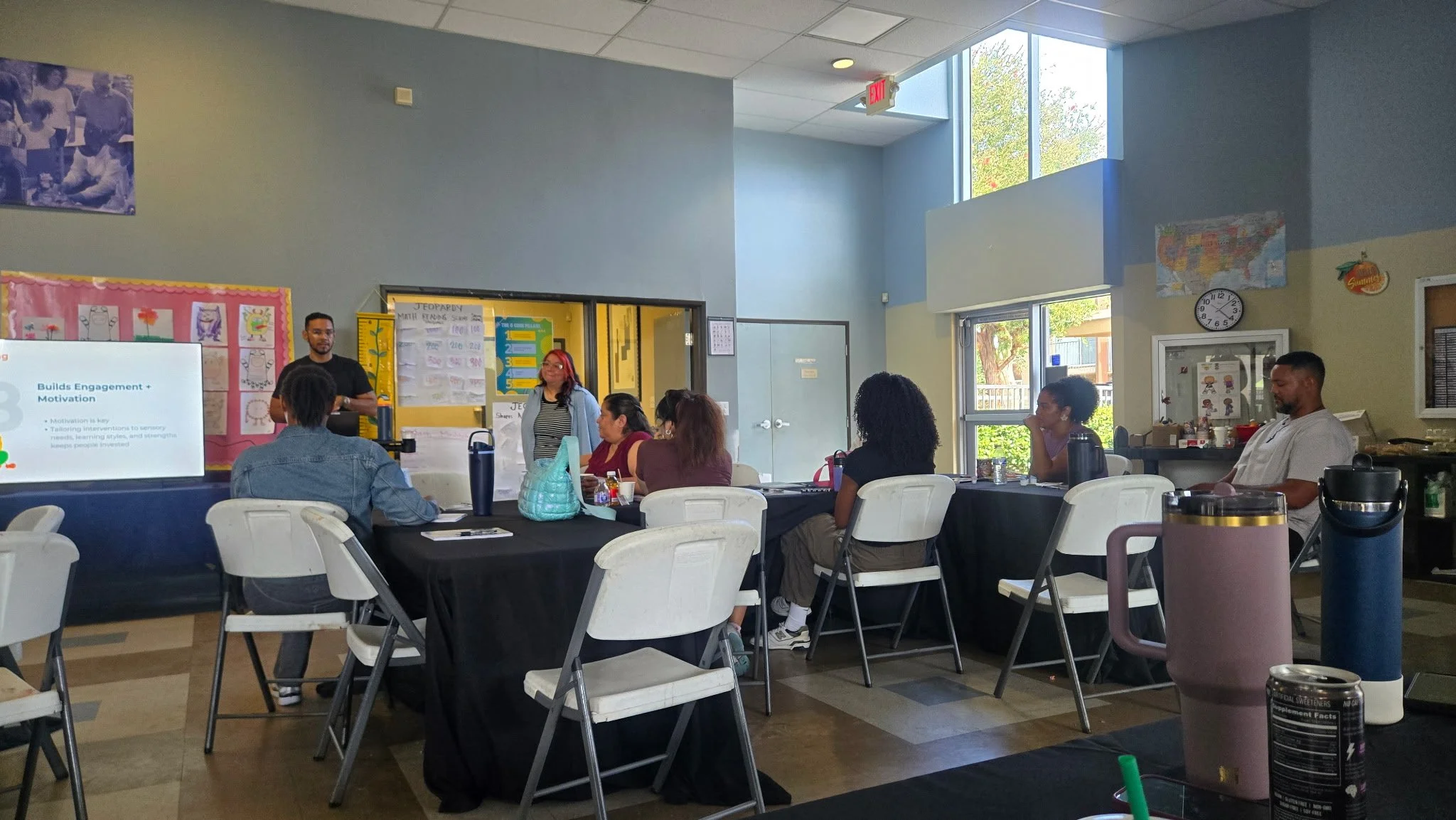
Nguyen shared that for their clients, finding mental health services can be challenging due to barriers like sources of funding and waitlists.
“Getting our people connected to BDIPS has been amazing because [this] team also has a mental health component to it, and [BDIPS] connects them to individual therapy and family therapy,” Nguyen explained.
“I want to say that it’s beneficial to the family, and also like a nicer transition for people who aren’t quite ready for therapy, or receive therapy in a non-conventional way because boxing, yoga are also very therapeutic. I feel like [this] team is also very strength-based too, which aligns with how we provide our services,” Nguyen added.
A big part of Phan’s role at BDIPS is building and growing partnerships like the one with START Harbor, and she hopes this partnership continues to grow to support more children and youth with IDD.
“When in service to others, no one can do it alone and we are not supposed to. Everyone has their own lane, and every organization has their own expertise and mission. We can lean on each other's strengths,” Phan said. “The aligned vision creates a system that thrives through collaboration and leads to a greater impact on individuals and communities. I believe in, ‘better together.’”